Less Plastic, More Health
Less Plastic, More Health brings together young people across Europe to tackle plastic pollution, strengthen environmental responsibility, and inspire sustainable change at community level.
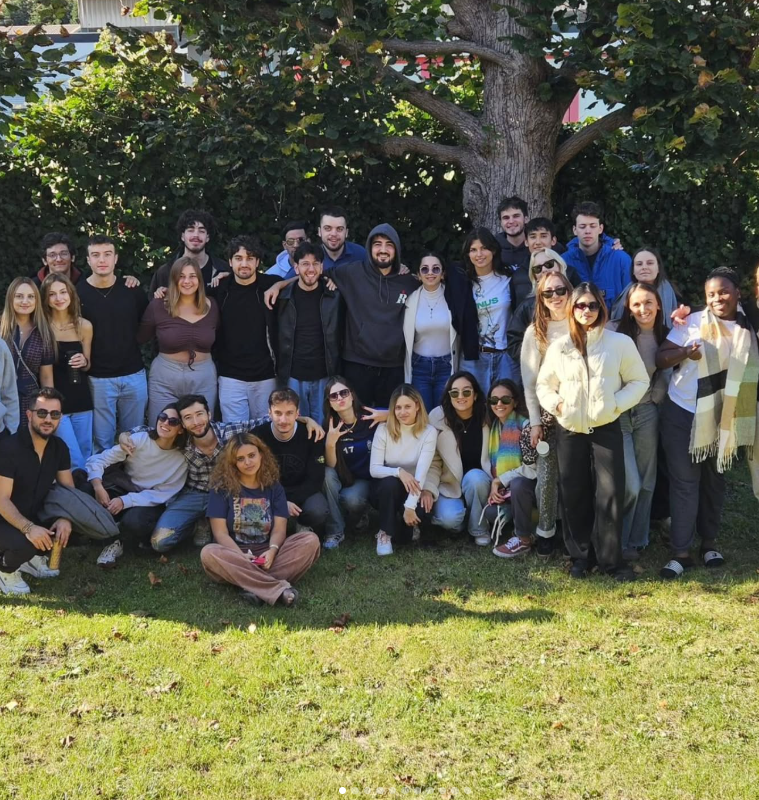
This Erasmus+ Youth Project was supported by Jugend Für Europe and the European Union.
Plastics have become an inseparable part of modern life—valued for their convenience, affordability, and versatility. Yet, the consequences of this dependence are increasingly alarming.
According to global research, half of all plastics ever produced have been made in just the last 13 years, and only 9% of them have been recycled. The rest pollute our oceans, rivers, and soil—threatening ecosystems and consuming natural resources at an unsustainable pace.
Plastic waste visible on beaches represents only 1% of what lies in our waters; the remaining 99% exists in deeper or microscopic forms, posing grave danger to marine life. Even more concerning are nanoplastics—tiny particles smaller than a single living cell. Studies reveal that these particles can enter the bloodstream and even cross the blood–brain barrier, leading to toxic effects on the nervous, hormonal, and reproductive systems.
Rationale
The plastic crisis is not just an environmental issue—it is a moral responsibility for all humanity. Because plastics do not biodegrade naturally, their impact will persist for centuries unless decisive action is taken.
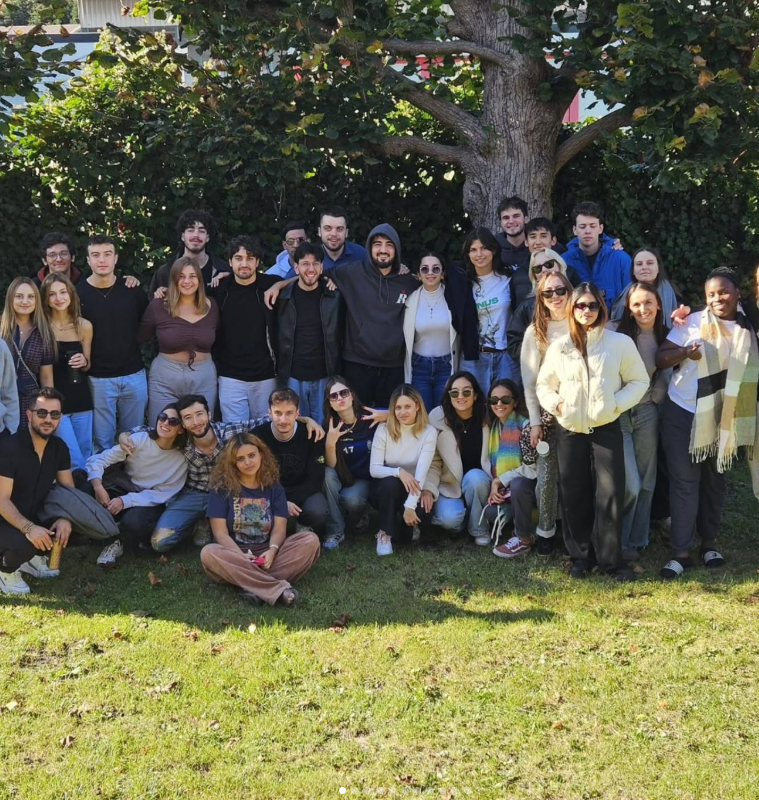
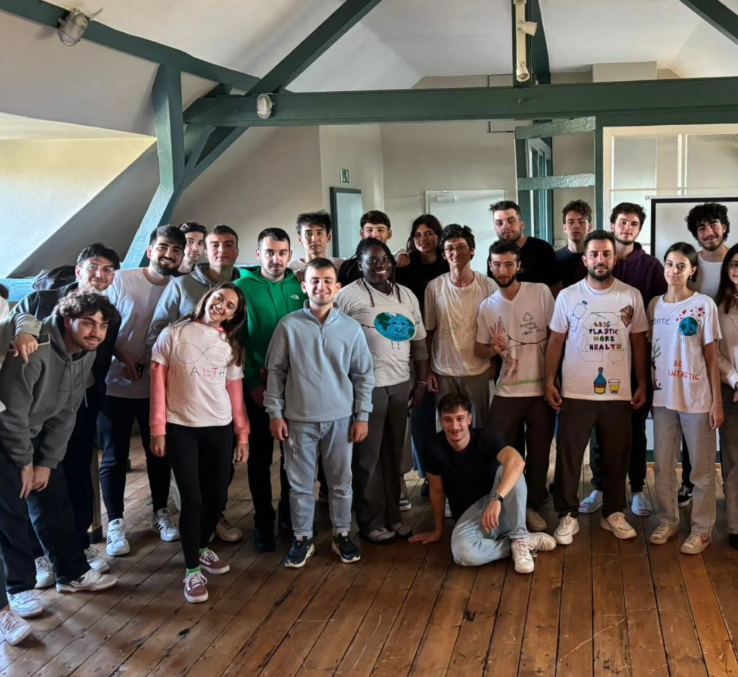
Recognizing this urgency, the project “Less Plastic, More Health” brought together young people from across Europe to explore alternatives, raise awareness, and promote behavioral change in daily life.
Through workshops, campaigns, and intercultural collaboration, participants were encouraged to take active roles in reducing, reusing, and recycling plastic waste, transforming awareness into tangible community impact.
General Aim
To reduce plastic consumption and raise awareness among young people and the wider community about the damage caused by plastic to the environment and human health.
Specific Objectives
-
To raise awareness about the excessive use of plastics in daily life and its environmental impact.
-
To encourage alternatives to plastic and promote the use of eco-friendly, sustainable materials.
-
To educate participants about the harmful effects of plastic pollution on ecosystems, animals, and humans, and to spread this knowledge within their communities.
-
To motivate young people to take initiative and lead actions for a cleaner, healthier environment.
Activities and Learning Outcomes
During the project, participants engaged in:
-
Workshops and discussions on environmental protection and sustainable living.
-
Creative sessions to design alternative, reusable products to replace single-use plastics.
-
Digital campaigns and social media challenges to spread environmental messages.
-
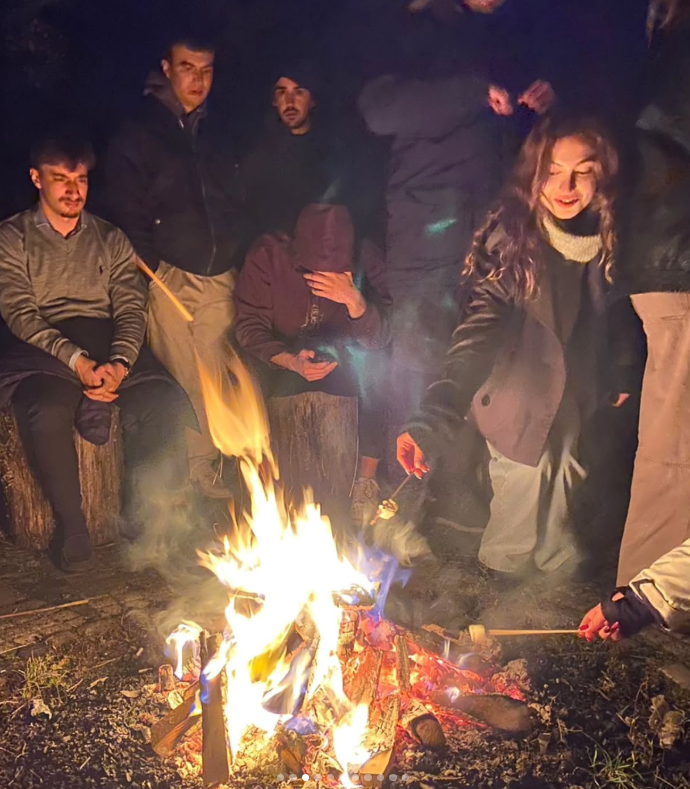
Cultural exchange nights promoting unity, intercultural understanding, and shared responsibility for the planet.
Through these experiences, young people gained:
-
Increased environmental awareness and eco-responsibility.
-
Enhanced digital and communication skills through dissemination activities.
-
Greater self-confidence, creativity, and leadership in environmental action.
-
Strong international friendships and a sense of belonging to a shared environmental cause.
Impact and Sustainability
The project fostered a culture of environmental responsibility that extends beyond its duration. Participants became eco-ambassadors, influencing peers and local communities to minimize plastic use.
Dissemination activities—including local campaigns, exhibitions, and online materials—ensured long-term impact, raising awareness and inspiring others to adopt sustainable habits.